Start with the room, not the catalog
Most people who ask about a fireplace remodel in West Covina have a picture in mind before they have a budget. That order is how a refresh turns into a gutted wall. The cheaper path runs the other way: decide what the fireplace needs to do, see what each level of work costs, then choose the look.
Cranston Chimney Pros writes remodel quotes in tiers for exactly that reason. You see the surface-only version, the version that changes how the fireplace heats, and the version that adds one somewhere new, each priced on its own, and the choice stays with you.
Tier one: the face
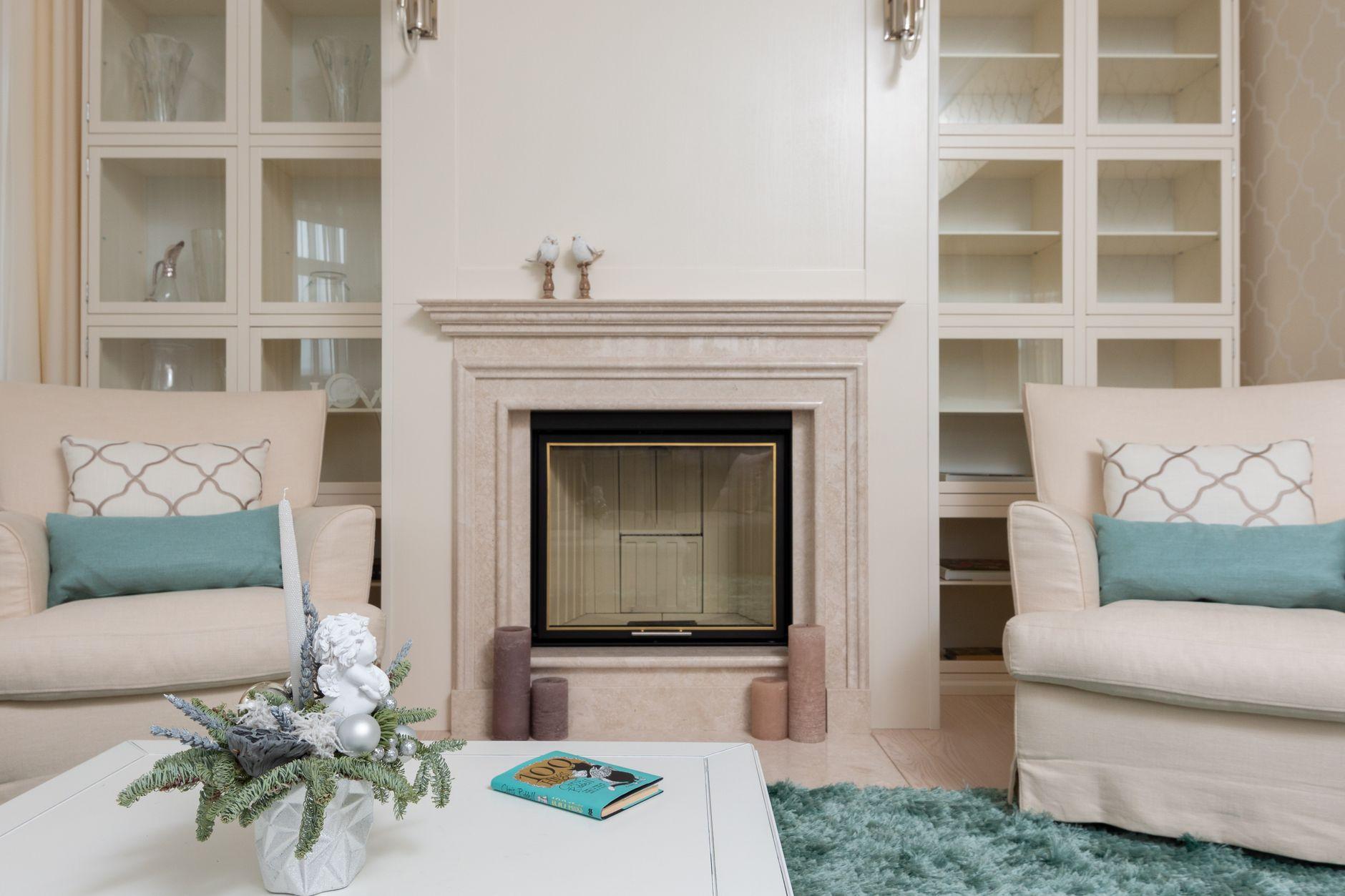
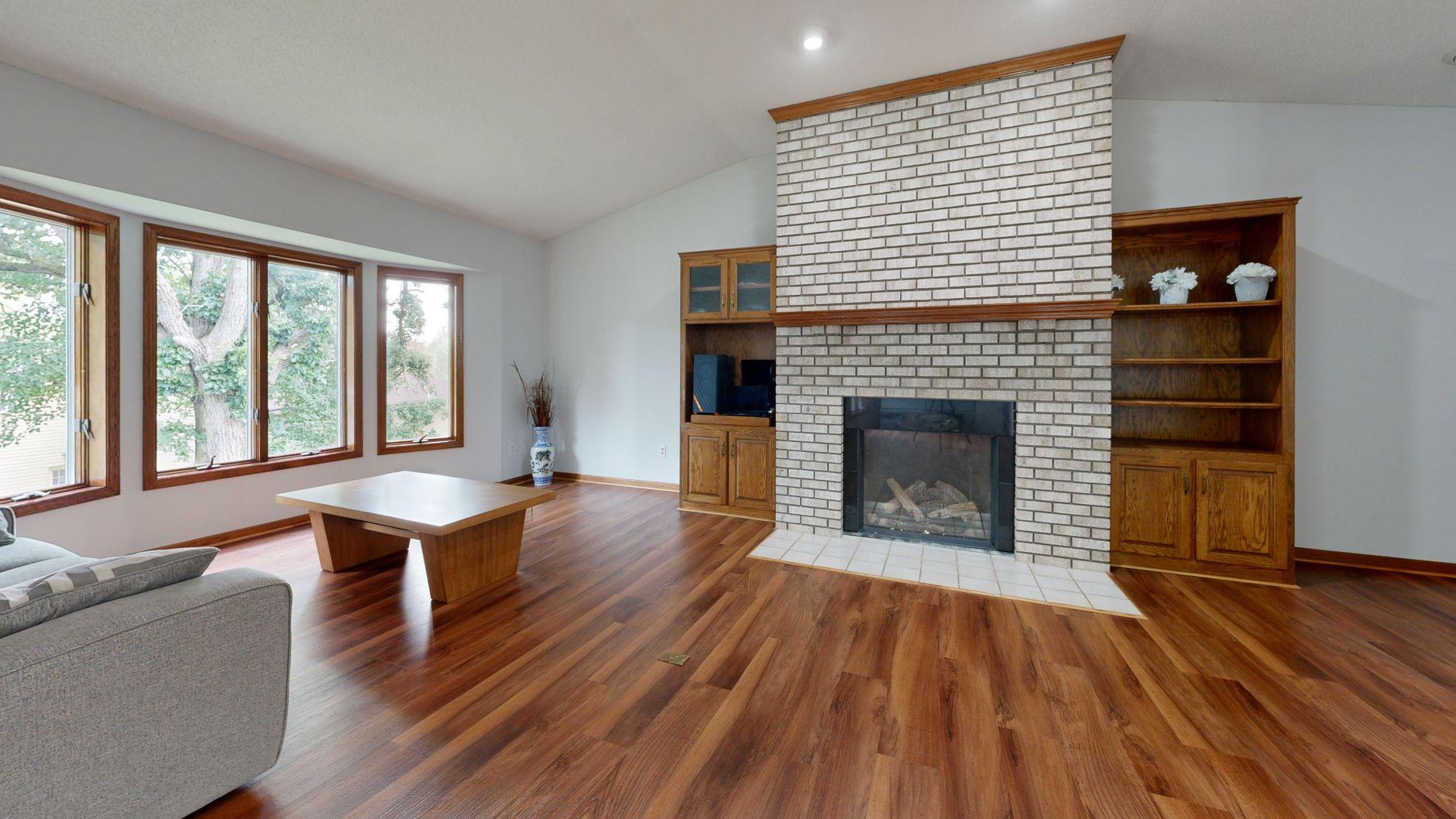
This tier keeps the fireplace working just as it does now and changes what you look at. A new surround in tile, stone veneer, plaster or painted brick. A new mantel. A longer hearth where the old one falls short of the opening.
Good fit: a fireplace that burns fine but looks its age.
What it costs: the materials do most of the deciding. Large-format tile and a site-built mantel cost more than a skim of plaster and a ready-made shelf. This tier has no published price because no two faces share a size, so the quote comes from measuring yours.
What to watch: distance from the opening. A mantel or wood trim has to sit a set distance away from the fire, and a deeper new mantel can be the very thing that fails an inspection later. We check that before you settle on a design.
Tier two: the fuel
This tier changes how the fireplace heats. The common move is from an open wood fire to gas.
- Gas logs sit in the firebox you already have and look like a fire. They give little heat, but they end the ash and the smell. The price follows the set and the gas line.
- A gas insert is a closed heater that slides into the firebox you have, with its own liner run up the old chimney. It turns a fireplace that pulls warm air out of the room into one that puts heat in. Converting a working fireplace this way costs $2,950 to $5,950 installed, with the spread set mostly by unit size, liner length and how far the gas has to travel.
- A wood insert does the same for people who want to keep burning wood, with far less smoke leaving the top.
Good fit: a household that wants to sit by the fire on cold evenings rather than just look at it.
What to watch: an insert covers the old opening, so any surround work belongs on the same visit. Doing the face first and the insert later means paying twice for trim.
Tier three: a new spot
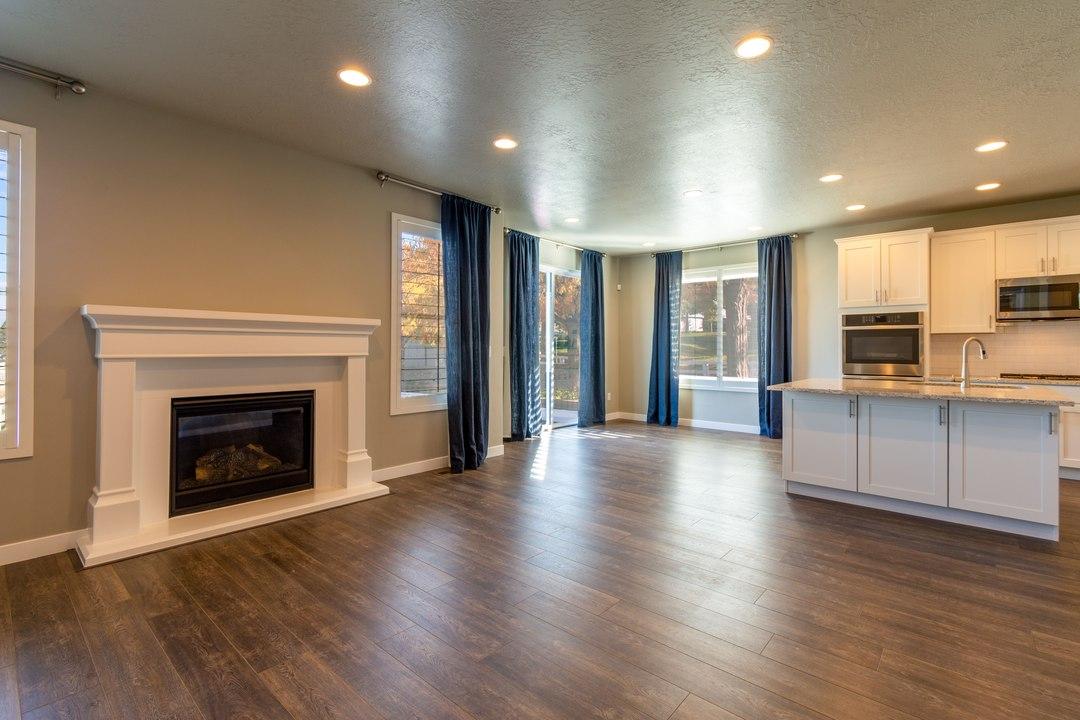
Some homes have no fireplace where the family wants one, or have one in a room nobody sits in. A direct vent gas unit can be framed into a wall that has no chimney behind it, venting through a short pipe to the outside. Building one into a new spot like this costs $4,750 to $9,550, depending on the unit, the wall and the vent route.
Good fit: a family room addition, a primary bedroom, or a house where the old chimney is coming down.
What to watch: the vent outlet has to keep set distances from windows, doors and the lot line, and that can decide which wall works at all.
Mixing tiers
The tiers are not a ladder you have to climb. A common job is tier two with a light touch of tier one: a gas insert plus a new tile surround, keeping the existing mantel. Another is tier one alone, with a sweep and an inspection first so the new face is not hiding a problem behind it.
What we will not recommend is a new face on a chimney that needs repair. If the inspection turns up a cracked flue or a loose firebox, that comes before the tile. Otherwise you pay to take the new surround off again.
What decides the price
- Which tier, or which mix. This is the big one.
- The firebox. A sound firebox can take an insert as it is. A cracked one needs repair first, or an insert sized to cover the damage.
- The chimney above. An insert needs a liner the full height, so height and any offsets count.
- Gas supply. A line already at the hearth is quick to connect; a new run from the meter is not.
- Finish materials. Entirely your choice, and the main lever in tier one.
Ask for a tiered remodel quote and tell us what the fireplace burns now, what you want it to do, and which room it sits in. The quote you get back prices each tier on its own lines so you can mix them.
What can wait
If the budget covers only part of the plan, order matters. Safety repairs first. The fuel change second, because it sets the size of the opening. The face last, because it is the easiest piece to add later and the costliest to redo.
Related reading
Measuring comes first
Set up a measuring visit through our contact page. The tiers come back in writing, each with its trade-offs printed right beside it.
Want Figures Like These for Your Chimney?
Cranston Chimney Pros prices every fault on a line of its own, offers more than one fix where that exists, and tags each line urgent, before the rains or optional. Request an estimate in West Covina or elsewhere across West Covina and Los Angeles County.